Packaging & Storage
Packaging, storage and dosage recommendations can be provided according to the specific product model and project requirements.

Stable formulation and reliable application performance for engineering use.
Designed to improve construction efficiency and material consistency.
Suitable for multiple concrete systems and project requirements.
Strict production and inspection process supports stable supply.
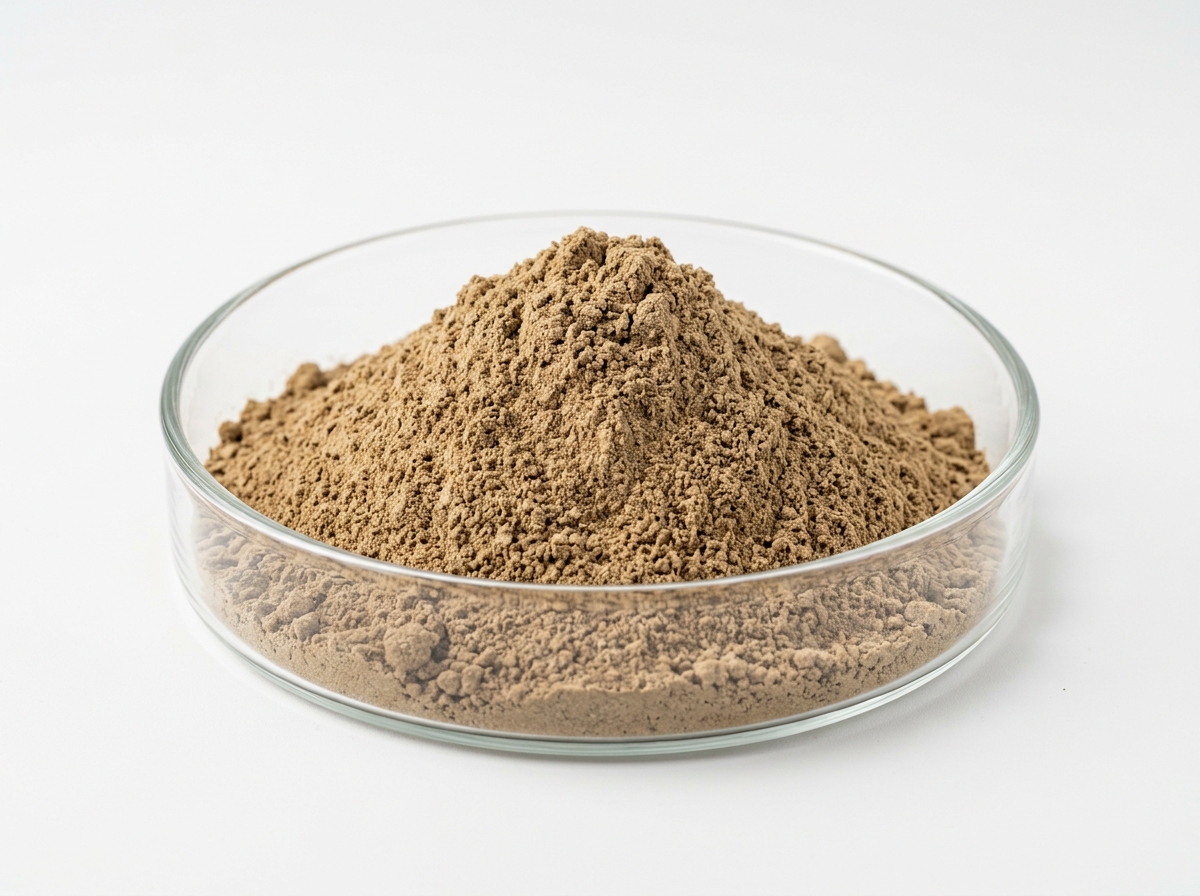
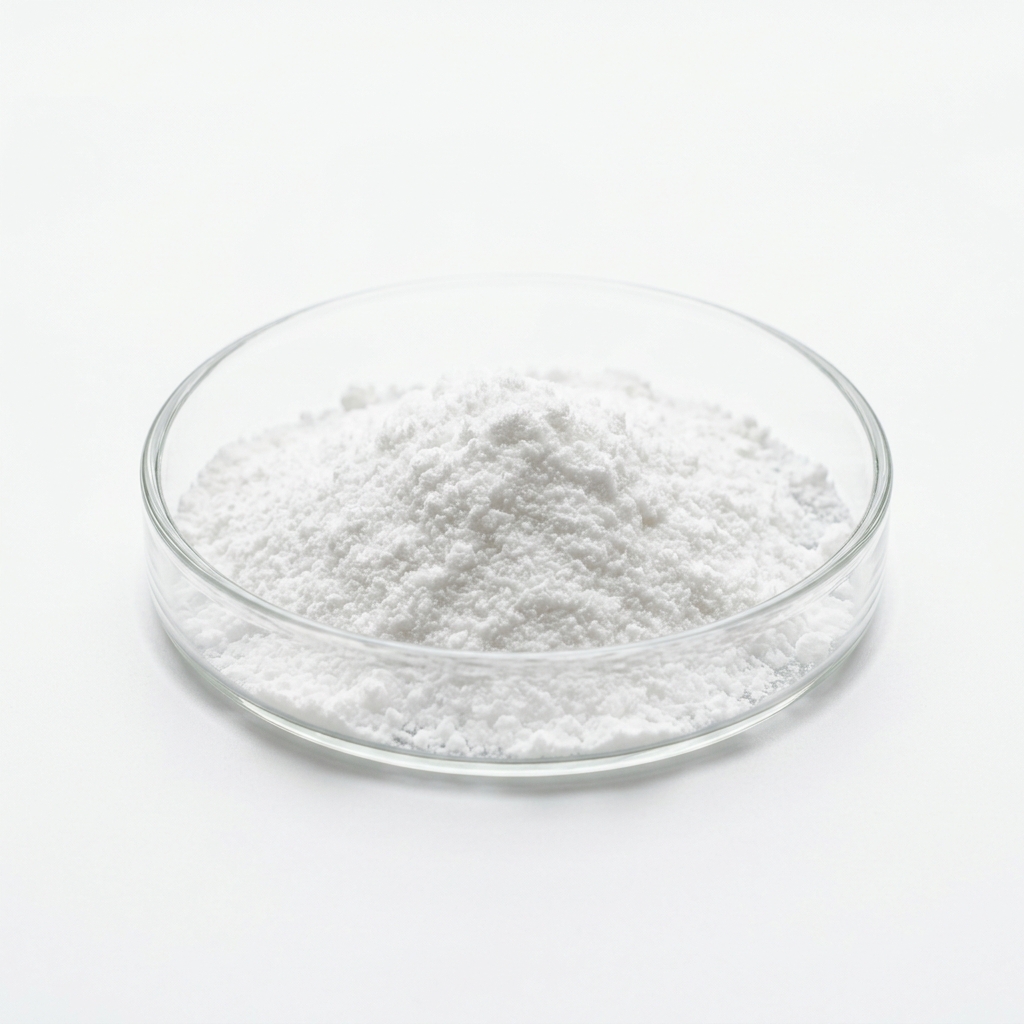
Sodium silicate powder, also known as instant powdered sodium silicate, instant water glass or powdered sodium metasilicate feedstock, has the general formula Na₂O·mSiO₂·nH₂O, where m is the modulus (molar ratio of SiO₂ to Na₂O) and n is the number of water of crystallization. It is produced from liquid sodium silicate (water glass) by modulus adjustment and spray drying. The product is an amorphous, uniform, white to off-white powder that retains all the properties and applications of liquid water glass while eliminating the inconvenience of transporting and storing liquids. Compared with mechanically milled anhydrous powder, the spray-dried grade offers faster dissolution, higher purity, narrower particle-size distribution and direct dry-blending compatibility with other powders, making it ideal for mechanized and automatic continuous feeding. Standard: GB/T 4209 Sodium silicate for industrial use (current edition GB/T 4209-2022). CAS No.: 1344-09-8.
▪ Appearance & form: White to off-white amorphous powder, uniform particle size, free of mechanical impurities; apparent bulk density typically 0.30–0.80 g/mL.
▪ Solubility: Dissolves rapidly in water at room temperature; the aqueous solution is strongly alkaline (1% solution pH ≈ 11.5–12.5). Lower modulus dissolves faster; high-modulus grades need 60–80 ℃ warm water.
▪ Adjustable modulus: Modulus M can be customized from 1.6 to 3.4 by application; common commercial grades are 2.0, 2.3, 2.5, 2.85, 3.0 and 3.3.
▪ Colloidal & binding: Silicate anions polymerize into a 3-D network in solution; dehydration gives a siloxane gel with strong adhesion, high-temperature resistance and acid/alkali corrosion resistance.
▪ Physical stability: Non-combustible; strongly hygroscopic and prone to caking, gradually carbonized by atmospheric moisture and CO₂; must be sealed and stored dry.
▪ Dissolution-rate test: Time (seconds) required for essentially complete dissolution of a 1% addition under stirring at 30 ℃ — a key process index of this product.
The following are typical quality indexes of industrial instant powdered sodium silicate (representative grades; subject to the supply contract and certificate of analysis):
|
Item |
Low-M M≈2.0 |
Mid-M M≈2.3–2.5 |
Mid-High M≈2.85–3.0 |
High-M M≈3.3–3.4 |
|
Modulus, M |
2.00±0.10 |
2.30±0.05 / 2.50±0.05 |
2.85±0.05 / 3.00±0.05 |
3.30±0.05 / 3.40±0.10 |
|
SiO₂, % |
49.0–53.0 |
51.0–56.0 |
57.0–63.0 |
60.0–66.5 |
|
Na₂O, % |
25.5–29.0 |
22.0–26.0 |
18.0–23.0 |
17.0–21.0 |
|
Dissolution (s, 30 ℃) |
≤50–60 |
≤70–80 |
≤180–200 |
≤240 |
|
Bulk density (g/mL) |
0.30–0.60 |
0.40–0.80 |
0.50–0.80 |
0.50–0.80 |
|
Fineness (目, pass rate) |
≥120 目 ≥95% |
≥120 目 ≥95% |
≥120 目 ≥95% |
≥120 目 ≥95% |
|
Soluble solids, % |
≥98(优等≥99) |
≥98(优等≥99) |
≥98(优等≥99) |
≥98(优等≥99) |
|
Fe, % |
≤0.015 / 0.10 |
≤0.015 / 0.10 |
≤0.015 / 0.10 |
≤0.015 / 0.10 |
|
Al₂O₃, % |
≤0.15 / 0.30 |
≤0.15 / 0.30 |
≤0.15 / 0.30 |
≤0.15 / 0.30 |
Note: The table above shows typical (representative) index ranges, which vary slightly by manufacturer and grade. Specific limits, impurity indexes and test methods shall follow GB/T 4209 for the applicable grade and the certificate of analysis. Modulus M is calculated as M = %SiO₂ ÷ %Na₂O × 1.032.
▪ Water quality & feeding: Use clean water at room temperature, or 60–80 ℃ warm water for higher-modulus grades. Add the powder slowly and uniformly into water under stirring; never add water to the powder to avoid lumping ("fish eyes").
▪ Solution concentration: Prepare the concentration required by the process (generally 1%–40%); high-modulus and high-concentration systems need heating with continued stirring. After complete dissolution, de-aerate, filter (recommend 100-mesh) and use.
▪ Compatibility: The solution is strongly alkaline; avoid direct contact with acids, acid salts, ammonium salts, heavy-metal ions and strong oxidants, which cause precipitation of silicic acid gel.
▪ Hardener: For binders, acid-resistant cements and grouting/strengthening, a hardener (sodium fluorosilicate Na₂SiF₆) is normally added at 12%–15%, adjusted with temperature, humidity, modulus and density (take the lower limit when temperature, modulus and density are high and low, respectively).
▪ Dry blending: Direct dry blending with other powders (cement, refractory aggregates, detergent base) is possible; a small trial is recommended to fix the ratio and setting time.
▪ 1. Non-combustible but corrosive and strongly irritating; may cause burns. Wear dust mask, protective gloves and goggles; avoid dust inhalation and skin/eye contact.
▪ 2. After skin or eye contact, flush with plenty of running water for at least 15 minutes and seek medical attention if needed. If ingested, do not induce vomiting; dilute with water and seek medical help immediately.
▪ 3. Do not store or transport together with acids, acid substances, ammonium salts or oxidants. Store in a ventilated, dry warehouse away from damp floors and rain.
▪ 4. Strongly hygroscopic — caking reduces activity. Reseal tightly after opening and use promptly; keep warehouse relative humidity below 65%.
▪ 5. Prepare fresh solution on-site and use without prolonged standing. In acidic ground or hard-groundwater (high Ca²⁺/Mg²⁺) conditions, run a trial first to prevent premature gelation or line blockage.
▪ 6. Neutralize waste liquid to near neutral (pH ≈ 6–9) before discharge; dispose of the precipitate per local environmental regulations. Do not discharge directly into water bodies.
▪ Packaging: Multi-ply composite kraft paper bag (or PP woven bag) with PE inner liner; common net weight 25 kg/bag. 50 kg/bag and FIBC/jumbo bag (1000 kg) are available on request.
▪ Storage conditions: Store in a cool, dry, well-ventilated warehouse. Keep sealed and dry, away from direct sunlight and heat sources. Stack off the floor and walls, avoiding excessive pile height.
▪ Shelf life: Stable for long-term storage when the package is intact and conditions are met; use first-in first-out and consume soon after opening.
▪ Transportation: Handle gently to avoid package damage. Do not load or transport together with acids or oxidants. Protect from rain and moisture in transit.
The modulus M (n = molar ratio SiO₂/Na₂O) is the key parameter governing solubility, binding power, water resistance and gelation: the lower the modulus, the stronger the alkalinity, the faster the dissolution and setting, but the poorer the water resistance; the higher the modulus, the higher the solution viscosity and film/water resistance, but the more difficult the dissolution (high-modulus grades require warm or heated water). The selection rule is to match the modulus to the working condition, as detailed in the table below.
|
Modulus range |
Property tendency |
Typical applications |
|
Low (M 1.6–2.2) |
Strongest alkalinity, fastest dissolution and setting, poorer water resistance |
Detergent/builders, soap filler & corrosion inhibitor (water softening, soil dispersion, pH buffering); soil stabilization; corrugated-board adhesives; silicate chemical feedstock |
|
Mid (M 2.3–2.8) |
Balanced solubility and binding — broad general-purpose range |
Foundry (sand/core binders), metallurgy refractories (castables, gunning mix binders), acid-resistant/rapid-hardening cements, fireproof coatings, mineral flotation, paper sizing, oilfield/drilling mud conditioning |
|
Mid-High (M 2.85–3.1) |
Higher viscosity & bond strength, improved water resistance |
Precision casting, ceramic green-body reinforcement, insulation binders, industrial cleaners, anti-corrosion silicate films, concrete acceleration & grouting, tunnel/mine sealing |
|
High (M 3.2–3.4) |
High viscosity, good film/water resistance, strong gelation; requires heated dissolution |
Silica source for silica gel, precipitated silica & molecular sieves, catalyst supports, preservatives, oilfield plugging/profile control, specialty coatings & binders |
Selection guide: Detergent/cosmetic auxiliaries — prefer M 2.0–2.4; foundry, refractories and building materials — M 2.4–2.8; precision casting, ceramics and grouting — M 2.85–3.1; silica gel/silica source and oilfield plugging — M 3.2–3.4.
Packaging, storage and dosage recommendations can be provided according to the specific product model and project requirements.
We are ready to provide you with high-quality products and professional solutions.