Packaging & Storage
Packaging, storage and dosage recommendations can be provided according to the specific product model and project requirements.
Stable formulation and reliable application performance for engineering use.
Designed to improve construction efficiency and material consistency.
Suitable for multiple concrete systems and project requirements.
Strict production and inspection process supports stable supply.
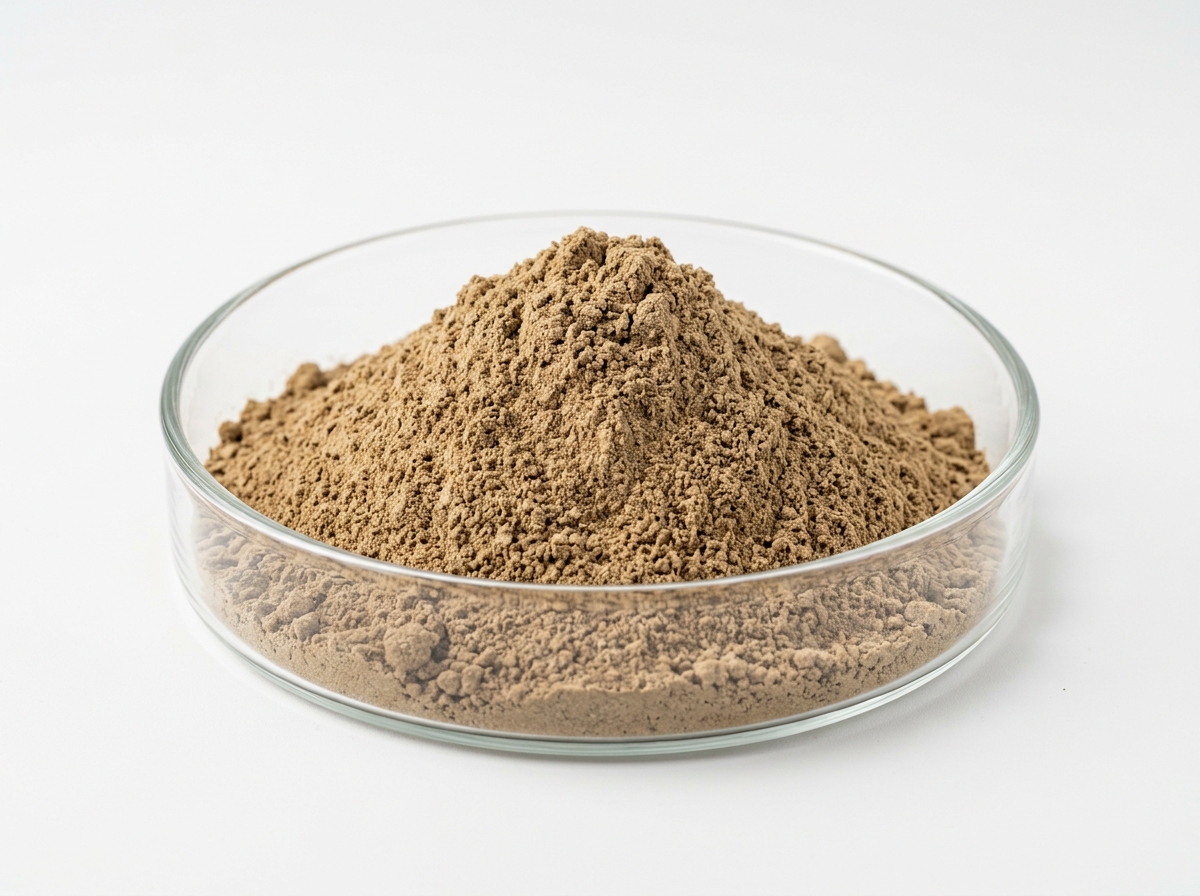
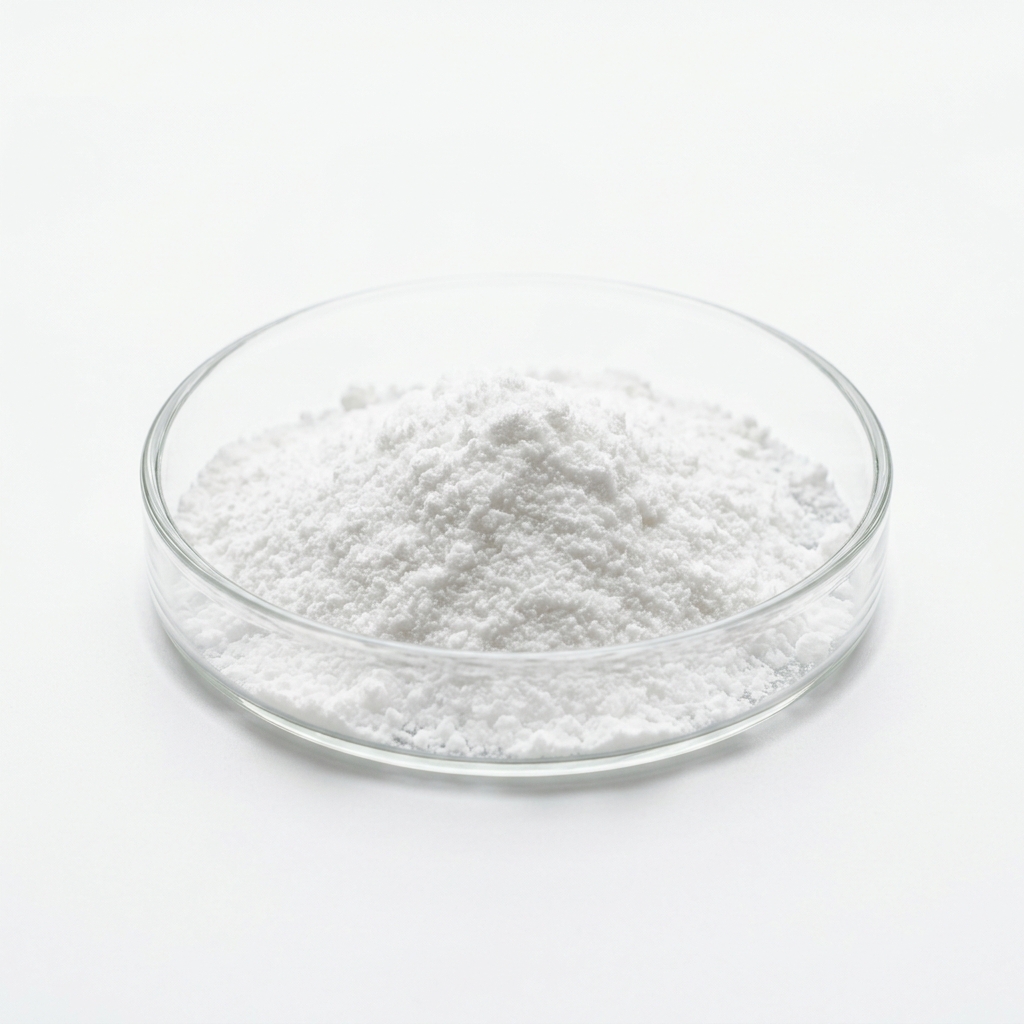
Redispersible Polymer Powder (RDP), also known as redispersible emulsion powder or dry-mix adhesive powder, is typically produced by spray-drying a vinyl acetate-ethylene (VAc-E / VAE) copolymer emulsion in the presence of a protective colloid such as polyvinyl alcohol (PVA). It is a white to off-white, free-flowing powder that readily redisperses in water to reconstitute a stable emulsion. After water evaporation, the polymer forms a coherent film that imparts adhesion, flexibility and pore-blocking effects to cementitious or gypsum-bound matrices. RDP is therefore the essential organic binder and modifying component in dry-mix mortars.
By polymer base: VAE (vinyl acetate-ethylene), VAc-VeoVa, acrylic, SBR (styrene-butadiene) and terpolymers. By glass-transition temperature (Tg): rigid (high Tg), semi-flexible, flexible and hydrophobic grades, selected according to the required mechanical response and water resistance.
• Markedly improves adhesion and cohesion:
◦ The polymer film builds strong bond bridges across dissimilar substrates (concrete, masonry, EPS/XPS boards, tiles, etc.), especially on smooth or low-absorption surfaces.
• Excellent flexibility and deformability:
◦ Lowers the elastic modulus while increasing flexural strength, absorbing thermal and shrinkage stresses and thus suppressing cracking.
• Better workability:
◦ Improves flow, thixotropy and sag resistance, extends the open time and enhances water retention and trowelability.
• Weathering, freeze-thaw and durability:
◦ The thermoplastic polymer film relaxes with temperature changes, resists freeze-thaw cycling, reduces carbonation depth and extends service life.
• Hydrophobicity and reduced water uptake:
◦ Films seal pores and capillary pathways; specialised hydrophobic grades impart pronounced water repellency and impermeability.
• Higher abrasion, impact resistance and density:
◦ Polymer particles fill voids, increasing density, abrasion resistance and impact strength.
• Convenient storage and transport:
◦ Can be dry-blended and dosed together with other powder raw materials, eliminating on-site emulsion preparation and supporting automated, standardised production.
Typical technical data for a general-purpose VAE grade (reference values, not part of the supply specification; always refer to the TDS / COA of the specific grade).
|
Item |
Typical Value |
Test Note |
|
Appearance |
White / off-white free-flowing powder |
Uniform colour, no lumps |
|
Solids Content |
≥ 98.0 % |
Loss on drying, 105 ℃ |
|
Ash Content(1000 ℃) |
10 ± 2 % |
Grade-dependent, 8–18 % |
|
Bulk Density |
300–600 g / L |
Grade-dependent |
|
Protective Colloid |
PVA |
— |
|
pH 值 (50% ) |
6 – 9 |
DIN / ISO |
|
Tg |
-15 ~ +15 ℃ |
DSC; grade-dependent |
|
MFFT |
0 – 5 ℃ |
ISO 2115 |
|
Particle Size |
≤ 4 % > 400 μm |
Sieve residue / laser diffraction |
|
40 Sieve Residue |
≤ 2.0 % |
— |
|
50% Viscosity |
0.5 – 10 Pa·s |
Brookfield |
|
Film |
Semi-transparent, flexible |
Semi-transparent, flexible |
|
CAS / EINECS |
24937-78-8 / 429-840-1 |
VAE |
Note: Ash, bulk density, Tg, MFFT and particle size vary substantially with rigid / flexible / hydrophobic grade; select against the grade-specific TDS.
Dosage:
•Generally 0.5%–3.0% by mass of total dry powder, commonly 1.0%–2.0%; a typical addition is 10–20 kg per tonne of dry mix. Determine by trial in the actual formulation.
Typical reference dosage:
•Tile adhesive 0.8%–2.5%; tile grout 1.0%–2.0%; ETICS / EIFS bonding mortar 0.5%–1.5%; water-resistant putty 1.0%–3.0%; interface agent 0.3%–0.5%; inorganic thermal mortar 0.3%–1.0%.
Mixing method:
• Dry blending: homogenise the powder with other dry raw materials (cement, sand, fillers, HPMC, etc.) before adding water.
• Add water per mix design and stir thoroughly with a mortar mixer until lump-free; a 3–5 min maturation followed by re-mixing is recommended.
• Observe the water-to-powder ratio and mixing temperature prescribed for the mortar system; use water fit for concrete/mortar mixing.
Compatibility:
• Compatible with cement, gypsum, silica sand, calcium carbonate, cellulose ethers (HPMC) and common dry-mix additives; avoid prolonged blending with strong acids, strong alkalis or aggressive solvents.
• Moisture protection:
◦ Hygroscopic product — use soon after opening and keep sealed. Caked or discoloured material indicates degradation; do not reuse.
• Storage environment:
◦ Keep away from direct sunlight, rain, high temperature, heat and open flame. Application temperature preferably ≥ 5 ℃; below the MFFT, film formation is impaired.
• Dispersion and film formation:
◦ Ensure thorough dry blending and adequate mixing time to avoid undispersed “fish eyes”; the dried polymer film will not redisperse or leach out.
• Safe handling:
◦ Wear a dust mask, protective gloves and goggles; avoid inhalation of dust and eye contact. Read the MSDS / SDS before use.
• Validation:
◦ Performance varies with cement, sand source, additives and application conditions; conduct mix-design trials and on-site tests before full-scale or formula-changing production.
• Restriction:
◦ Non-edible chemical — not for use in food, pharmaceutical or potable-water contact applications.
Packaging:
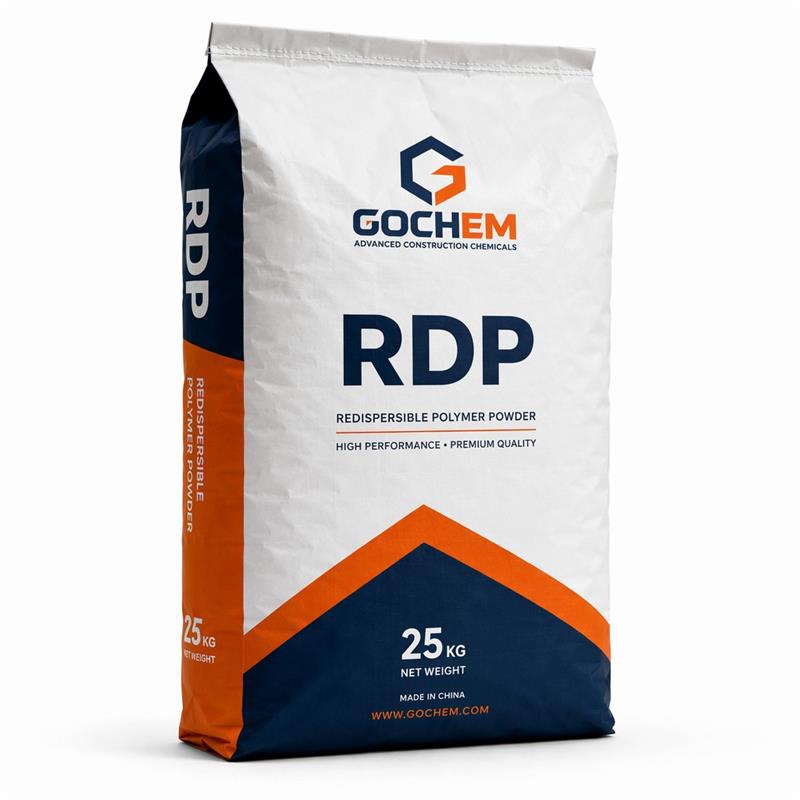
Normally multi-ply paper bags with a polyethylene (PE) inner liner, or film-laminated woven bags, 25 kg net per bag. Ton bags (~500–1000 kg) or palletised packaging (~600–1300 kg / pallet) are available on request.
Storage conditions:
Seal and store in a cool, dry, well-ventilated place, protected from moisture, sunlight, rain and high temperature. Stack within the stated pallet height and avoid crushing the bags.
Shelf life:
Under original, unopened and proper storage conditions, the recommended shelf life is generally 6–12 months (per grade TDS); beyond this, use only after passing inspection.
Transport:
Transport as ordinary chemical goods, moisture- and rain-proof; do not ship together with strong acids, strong alkalis or corrosive substances.
• External thermal insulation composite systems (ETICS / EIFS): bonding mortar and rendering mortar over EPS / XPS / rock wool boards.
• Tile adhesives and tile grouts.
• Self-levelling and flooring / wear-resistant mortars.
• Interior / exterior flexible and water-resistant putty, dry-mix coatings, decorative and diatomaceous mortars.
• Flexible anti-crack, repair and waterproof mortars; interface agents / bonding slurries.
• EPS-bead thermal mortars, inorganic thermal mortars, masonry mortars and powder adhesives.
Packaging, storage and dosage recommendations can be provided according to the specific product model and project requirements.
We are ready to provide you with high-quality products and professional solutions.